I Want to Use the D457 Camera Underwater
Hello!
I am a researcher in South Korea developing an underwater camera system using the Intel RealSense D457.
Background
To film fish underwater, I plan to build a waterproof housing that contains the D457 camera and an underwater LED light. Normally, this setup requires two separate cables—one GMSL cable for the camera and one power cable for the LED—meaning I need two cable ports on the housing. I have not been able to find an IP68-rated GMSL cable suitable for underwater use.
Therefore, I’d like to run a readily available IP68-rated PoE cable from the Jetson to the waterproof housing, and inside the housing use a PoE-to-GMSL adapter for the camera and a PoE-to-power adapter for the LED. This way, I can operate two devices (the D457 camera and the LED light) via a single cable.
Main text:
The underwater camera system I have in mind is shown in the diagram below.

Would this configuration work? Or if there's a better way to control and power both the camera and the light using a single cable, I would appreciate your advice. I definitely want to continue using the Intel RealSense D457 camera.
Thank you.
Best regards,
Dohyeon Yoon
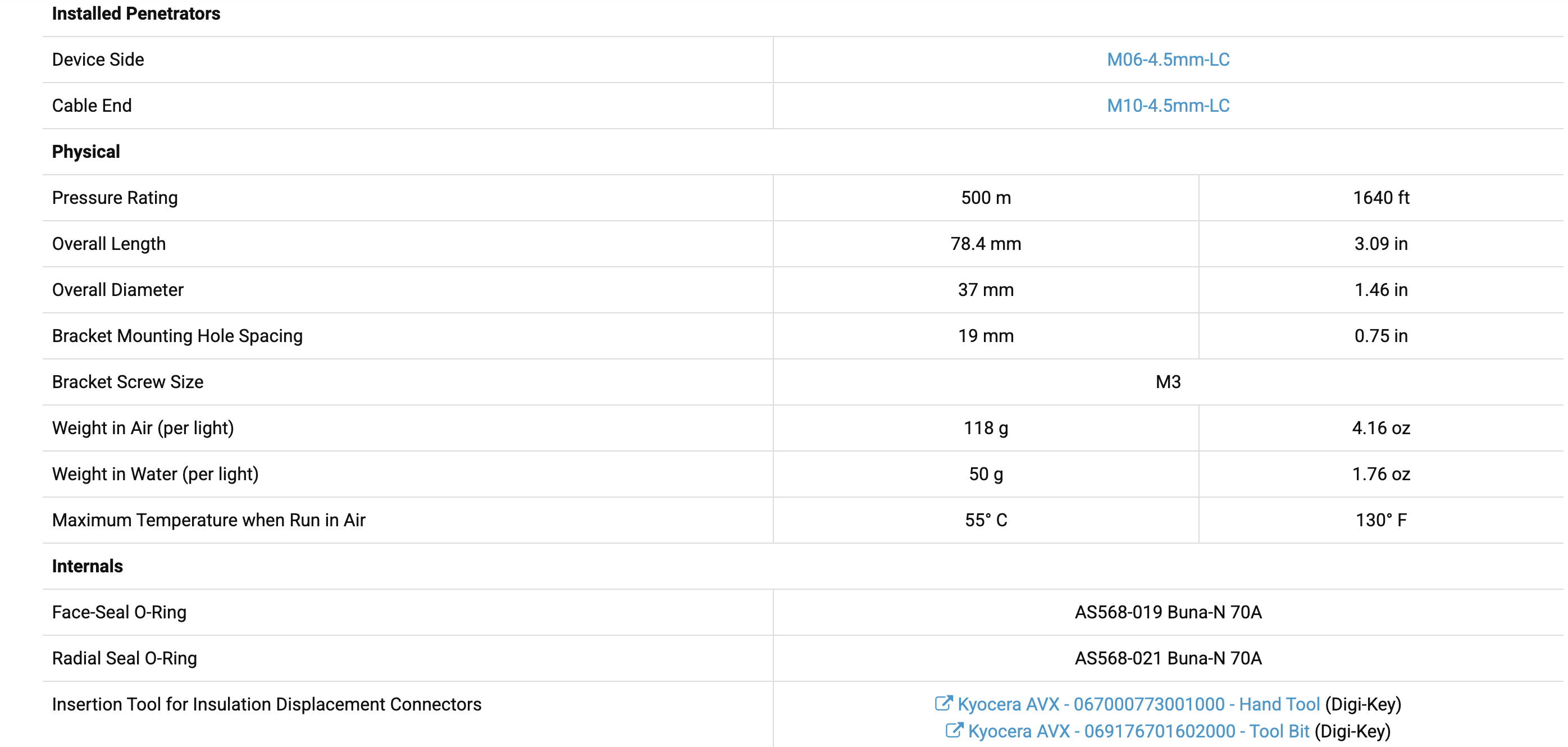
Here is the specification of the LED light I am using.
https://bluerobotics.com/store/thrusters/lights/lumen-r2-rp/ 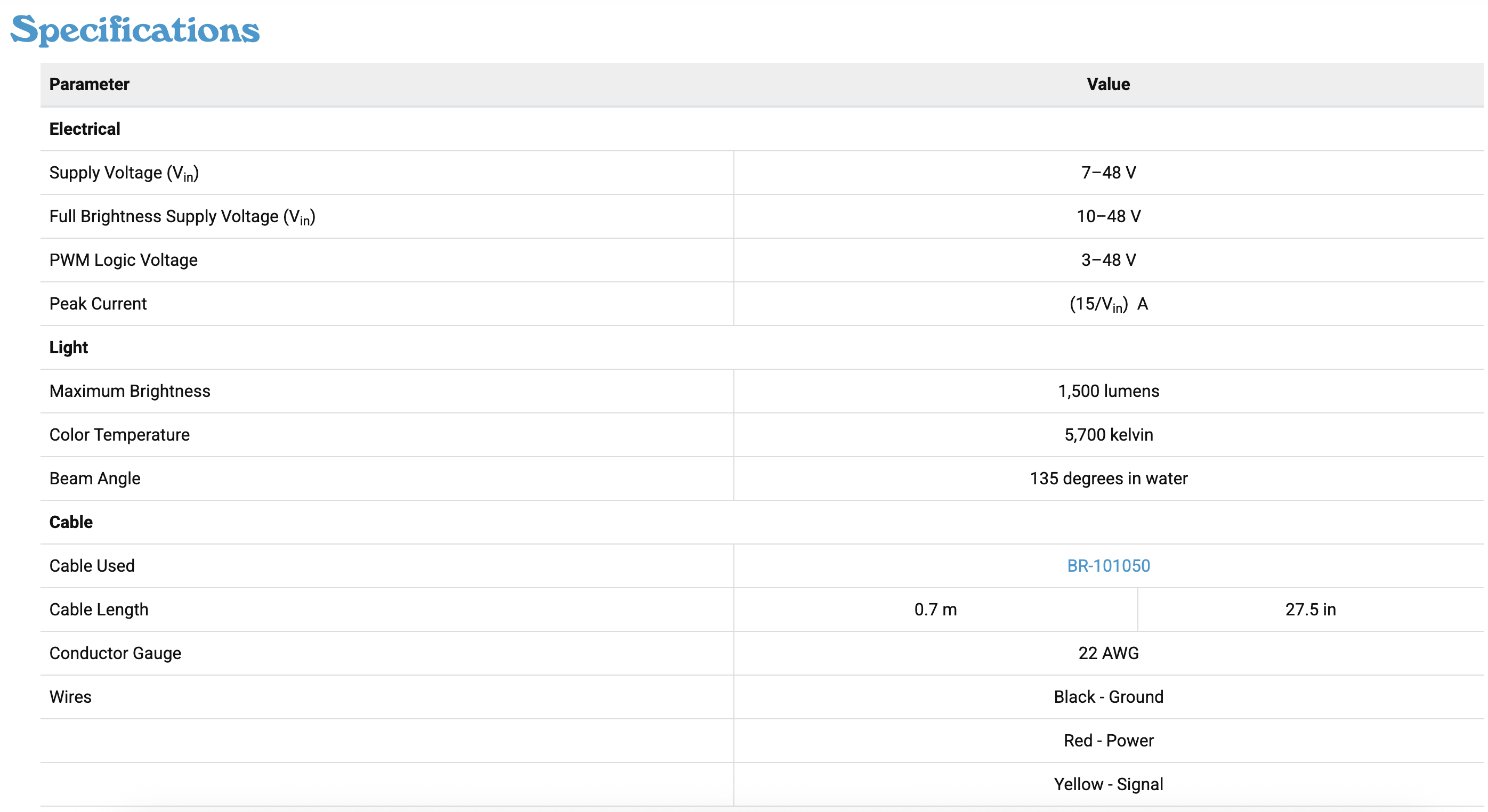
-
Hi Dhyoon The D457 camera model is able to use a USB cable by moving sideways a hidden physical switch under a removable cap on top of the camera. You could therefore power the D457 camera with a USB cable attached to the computer. When the camera operates in USB mode, it is also 'plug and play' and works simply by being plugged into the USB port.
https://support.intelrealsense.com/hc/en-us/community/posts/14840675121043/comments/14843232242835
When the D457 is in USB mode it is detected as a D455 and behaves and performs exactly like that camera model. Whilst a USB connection transfers data more slowly than GMSL, it should be sufficient for an underwater project. A previous underwater project called FishSense made use of D455.
https://github.com/IntelRealSense/librealsense/issues/11403#issuecomment-1434213429
Using USB instead of GMSL would also enable you to consider a wide range of computing platforms to choose from, some of which will be smaller and well suited for mounting to a mobile underwater vehicle.
It would also likely be easier to find an IP68 rated USB cable instead of an IP68 GMSL cable. Googling for the term ip68 usb cable produces some examples. Potentially you could also use a USB-powered underwater LED light and plug that into a second port on the computer to power the light. Googling for ip68 led light usb produces some examples of such lights.
If your preference is to have a single cable for camera and LED light then you could try using a USB splitter, which has one cable that divides at its end into two connectors to insert USB devices into. A miniature USB hub might perform the same function.
If your preference is to use GMSL cabling, you may find it easier to locate a suitable cable by googling for waterproof gmsl cable instead of IP68. For example, one search result that came up was for an IP67 rated GMSL cable, so this may not have come up in an IP68 focused search.
The camera will need to be calibrated for use underwater, as the water environment affects the camera's vision differently than when in air. There is an extensive technical discussion about the subject here:
https://support.intelrealsense.com/hc/en-us/community/posts/5418070547731/comments/5418220771603
-
Hello MartyX Grover
First of all, thank you very much for your detailed and kind response.
I’ve read through your reply carefully.However, in order to achieve the performance we need, we are in a situation where using a GMSL cable is absolutely necessary.
What we are curious about is how we can communicate with and supply power to two devices — one GMSL-connected camera (D457) and one LED light (whether USB- or power-based) — using a single cable connected to a Jetson or PC.Using USB would certainly be simple, but again, we are in a position where we must use a GMSL cable. Also, we would like to control both devices with only one cable, not with a waterproof GMSL cable plus a separate power line for the LED.
Could you possibly share any insights on how to achieve this?
Thank you.
Dohyeon Yoon
-
Hello MartyX Grover, thank you for your kind and helpful response.
Since this is my first time working with PoC (Power over Coax) systems, I hope you don’t mind if some of my questions are quite basic.The reason I need the LED light is not just for capturing RGB images, but also to serve as a stimulus for the fish.
So the LED light is absolutely essential for my application. 😊As you mentioned, it seems possible to supply both power and data to the camera and the LED light through a single GMSL2 cable.
In that case, how are the two devices actually connected to the coaxial cable?
Do I need to use a GMSL splitter, similar to a USB splitter?Here’s an example I found:
[Example link]
https://a.aliexpress.com/_oD9azAw -
Googling for can fish see in infrared suggests that fishes would be able to see the "near-infrared" light frequencies emitted by the camera (it is near-invisible but not quite, operating in the 840 to 860 nm frequency range). If you adjust the camera's Laser Power setting to its maximum value to increase the strength of the emitter's output then this should increase the chances of the fishes reacting to it.
-
Hello MartyX Grover
Thank you so much for the detailed guidance — I really appreciate it.However, based on your comment, does splicing the GMSL2 cable only allow power to be split, without access to data?
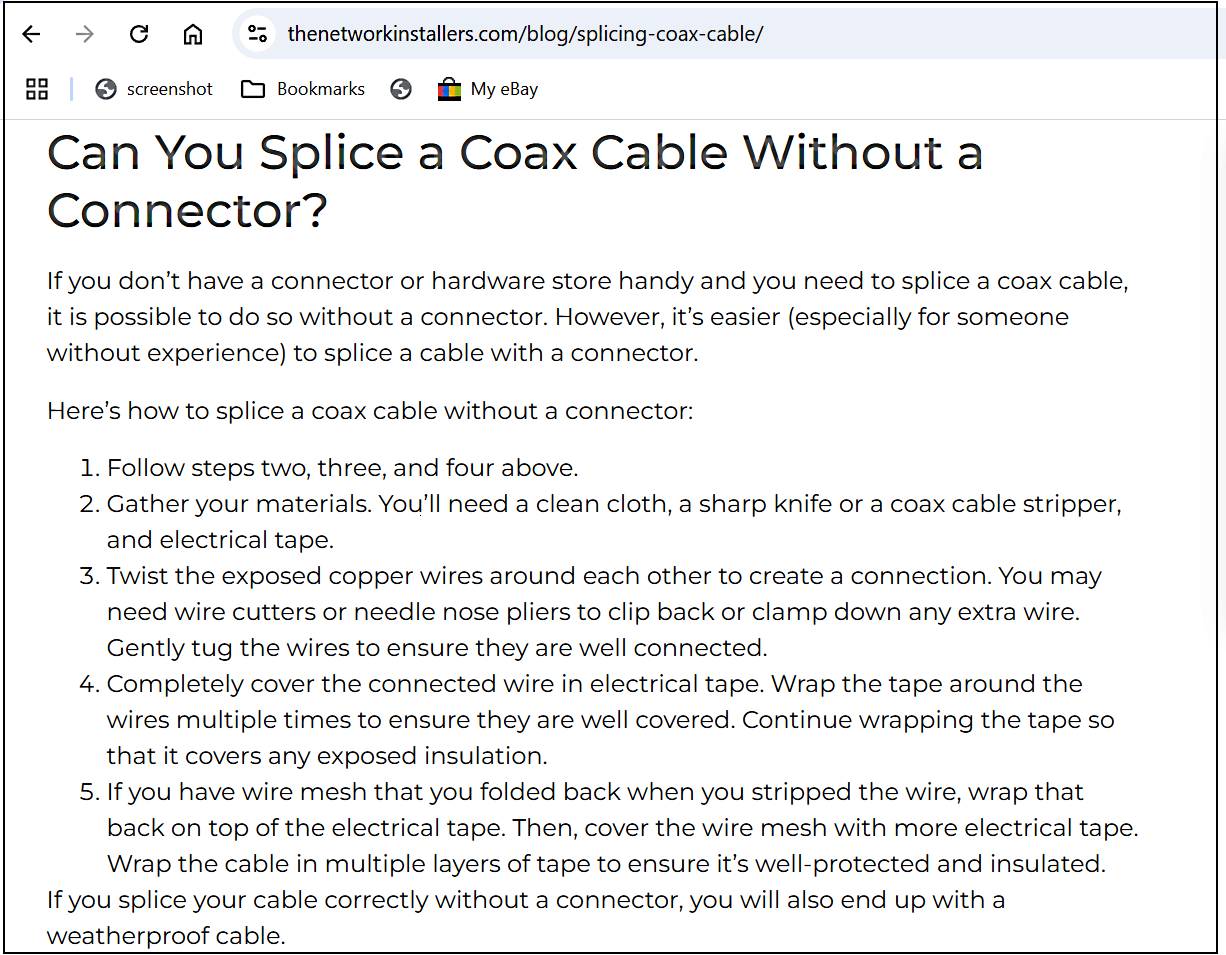
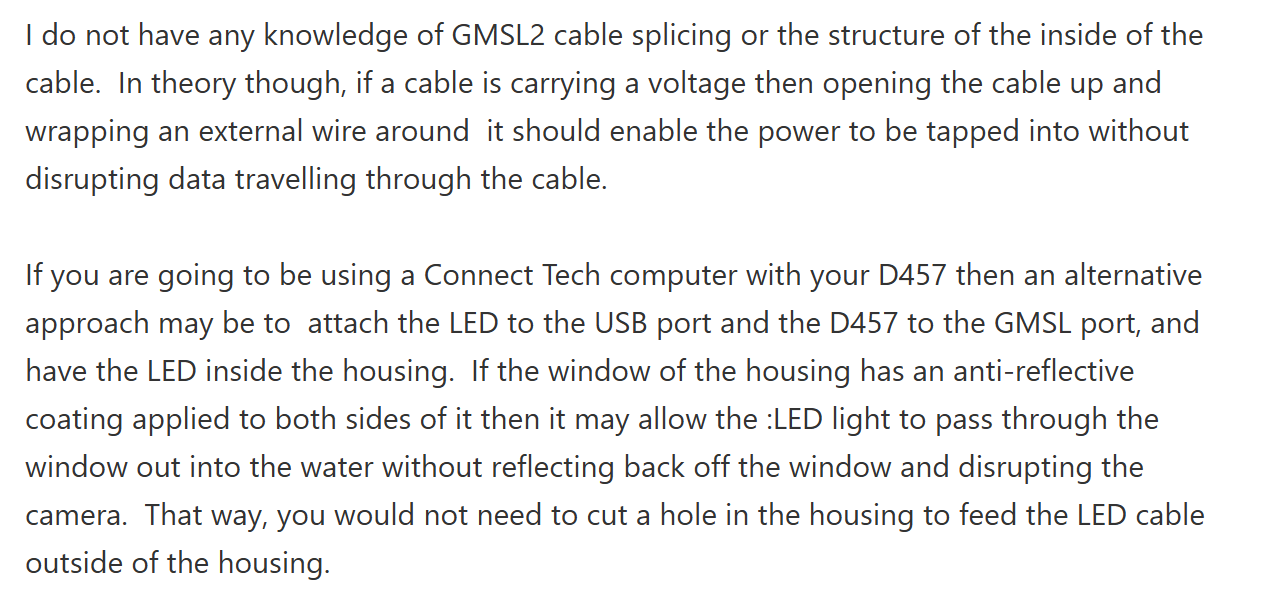
In my case, I need to retrieve both the frame and depth information from the D457 camera in real time.(You mentioned: “If you only need power from the GMSL2 cable for the camera, you could consider splicing the cable (cutting it open and wiring the LED lamp’s power cable into it).”)


Please sign in to leave a comment.
Comments
12 comments